
Walk into any pet owner group in Pakistan, and you will find this debate playing out almost daily: should you cook fresh meals for your dog or cat, or stick to a good commercial brand? It is a question we hear constantly at Zia Vet Clinic, and it deserves a much more honest answer than most internet articles provide. The truth is neither option is universally superior, but one of them carries significantly more risk when done without professional guidance. This guide breaks everything down so you can make a truly informed decision for your specific pet.
Is Homemade Food Actually Better for Dogs and Cats?
This is the question most pet owners are really asking, and the honest answer is: not automatically.
The idea that fresh food equals healthy food makes intuitive sense. If we feel better eating home-cooked meals, surely our pets would too. But dogs and cats have highly specific nutritional requirements that are fundamentally different from ours, and considerably more complex to replicate in a home kitchen than most people realise.
The largest real-world study ever conducted on homemade dog diets, the Dog Aging Project’s 2025 analysis of 1,726 homemade recipes, found that only 6% were even potentially nutritionally complete. A separate UC Davis School of Veterinary Medicine study evaluating over 200 widely shared homemade recipes found that 95% lacked at least one essential nutrient, with 83% showing multiple simultaneous deficiencies.
This does not mean home cooking is wrong. It means home cooking done without veterinary supervision is wrong. When a vet or board-certified nutritionist properly formulates a homemade diet, it can absolutely be appropriate, and for some pets with complex food allergies or specific medical needs, it is the better option. But for most healthy pets, a high-quality commercial diet that meets international nutritional standards is the safer, more consistent choice.
The most important principle in pet nutrition is this: complete and balanced always matters more than fresh.
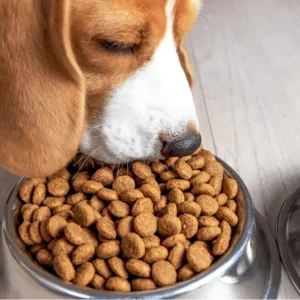
What Is Homemade Pet Food — and What Are Its Real Pros and Cons?
Homemade pet food refers to meals prepared from scratch using raw or cooked ingredients such as chicken, rice, eggs, vegetables, and organ meat. These diets are typically free from artificial preservatives and commercial fillers, and they give pet owners direct control over what goes into every bowl.
Genuine advantages of homemade pet food:
- Full transparency over ingredients and sourcing.
- No artificial colours, preservatives, or mystery fillers.
- Highly customisable for pets with confirmed food allergies or sensitivities.
- More palatable for picky eaters or pets with poor appetite.
- Can be tailored to specific life stages, health conditions, and breed requirements when formulated correctly.
The real risks and challenges:
- Nutritional deficiencies are extremely common without professional formulation. Deficiencies in calcium, zinc, selenium, vitamin D, and B vitamins can take months to show visible symptoms, by which point significant damage may have already occurred.
- An incorrect calcium-to-phosphorus ratio is especially dangerous in growing puppies, causing bone deformities.
- Cats are obligate carnivores and require taurine, an amino acid not found in adequate quantities in most home recipes. Taurine deficiency causes dilated cardiomyopathy (heart disease) and blindness, often silently.
- Raw or undercooked ingredients carry bacterial contamination risks (Salmonella, Listeria, Campylobacter). The FDA updated its food safety guidance in September 2025 to classify uncooked poultry as a known hazard, following multiple pet deaths linked to contaminated raw food.
- Time-consuming and logistically demanding to prepare, store, and portion correctly.
- The cost is often higher than it appears once supplements, varied protein sources, and storage are factored in.
If you are considering a homemade diet, the starting point must be a diet management consultation with a qualified vet, not an online recipe.
What Is Commercial Pet Food — and How Do You Choose a Good One?
Commercial pet food includes dry kibble, canned wet food, freeze-dried meals, semi-moist food, and veterinary prescription diets. Reputable manufacturers formulate these diets to meet the nutritional standards set by AAFCO (Association of American Feed Control Officials) or FEDIAF (the European equivalent), which require complete and balanced nutrition across specific life stages.
The pet food options available at Zia Vet Clinic are selected to meet these standards, covering different breeds, life stages, and medical conditions.
Genuine advantages of commercial pet food:
- Consistently balanced with all essential nutrients in correct proportions, no supplementation required.
- Developed using veterinary nutrition science, feeding trials, and standardised testing.
- Available in formulas for puppies, adults, seniors, specific breeds, and medical conditions (kidney disease, weight management, joint health, and more).
- Convenient, shelf-stable, and easy to portion accurately.
- Prescription diets provide therapeutic nutrition for chronic conditions that cannot be replicated safely at home.
The real risks and challenges:
- Quality varies enormously between brands. A budget brand and a premium clinical brand are not equivalent.
- Some lower-quality products contain meat by-products, artificial preservatives (BHA, BHT, ethoxyquin), excessive fillers (corn, soy, wheat), and vague ingredient labelling.
- Ultra-processed characteristics of some kibble, particularly high-heat extrusion, have raised questions in a 2026 Frontiers in Veterinary Science paper about long-term health implications, though the same study confirmed commercial diets meet legal nutritional requirements that ultra-processed human foods do not.
- Less flexibility for pets with very specific or unusual dietary needs.
The conclusion from current science is not that commercial food is perfect; it is that well-chosen commercial food reliably delivers complete nutrition in a way that home cooking rarely does without professional help.
What Nutrients Are Commonly Missing from Homemade Pet Food?
This is one of the most important questions any pet owner planning a homemade diet should understand in detail.
Dogs and cats do not just need protein and carbohydrates. They need precise amounts of a full spectrum of nutrients, and many of the most critical ones are completely invisible in a bowl of chicken and rice.
Most commonly deficient nutrients in unsupervised homemade diets:
- Calcium — muscle meat contains almost no calcium. Without bone meal or supplementation, dogs and cats develop progressive bone loss. In puppies, this causes skeletal deformities.
- Taurine (cats specifically) — cats cannot synthesise taurine from other amino acids. Without direct dietary taurine, they develop heart disease and retinal degeneration. Most home recipes are severely deficient.
- Vitamin D — found in very few whole foods in adequate quantities. Deficiency affects bone development, immune function, and organ health.
- Zinc and selenium — critical for immune function, skin health, and thyroid function. Rarely present in sufficient quantities in home recipes.
- Iodine — essential for thyroid regulation. Missing entirely from most home diets.
- Vitamin E and B-complex vitamins — particularly riboflavin, thiamine, and B12. Frequently low in home-prepared diets per multiple published studies.
- Omega-3 fatty acids (EPA and DHA) — unless oily fish is included regularly, these anti-inflammatory fatty acids are absent. Deficiency affects coat quality, joint health, and brain development in young animals.
The deceptive reality is that a pet on a nutritionally deficient homemade diet can look healthy and energetic for months. Deficiencies are cumulative and silent. By the time symptoms appear — dull coat, loose stools, lethargy, bone problems, heart disease — the damage has often been building for a long time.
A laboratory blood panel is the only reliable way to detect nutritional deficiencies before they become clinical problems. If your pet has been on a homemade diet for more than a few months, this screening is worth scheduling.

What Foods Are Toxic to Dogs and Cats That Owners Often Use at Home?
This section answers one of the most searched pet nutrition questions on Google, and it matters enormously for anyone preparing homemade meals.
Many foods that are perfectly safe and healthy for humans are dangerous or fatal for dogs and cats. Common household ingredients that should never be included in homemade pet food:
Toxic to dogs:
- Onions and garlic — including cooked, powdered, and dehydrated forms. Damage red blood cells and cause haemolytic anaemia. Even small repeated amounts are dangerous.
- Grapes and raisins — cause acute kidney failure in dogs, even in tiny quantities. The toxic compound is still unidentified, which means no safe dose exists.
- Chocolate — contains theobromine, which dogs cannot metabolise. Dark chocolate and baking chocolate are the most dangerous.
- Xylitol — an artificial sweetener found in peanut butter, chewing gum, and many baked goods. Causes a dangerous drop in blood sugar and liver failure in dogs.
- Macadamia nuts — cause weakness, hyperthermia, and vomiting.
- Avocado — the flesh, skin, and stone all contain persin, which is toxic to dogs and cats.
- Cooked bones — splinter and cause gastrointestinal perforation.
- Raw dough with yeast — expands in the stomach and produces alcohol during fermentation.
Toxic to cats (additional risks):
- Onions and garlic — even more toxic to cats than dogs.
- Raw fish regularly — contains thiaminase, an enzyme that destroys vitamin B1 (thiamine), causing neurological damage over time.
- Milk and dairy — most adult cats are lactose intolerant. Causes digestive upset.
- Dog food — cat-specific nutrients like taurine and arachidonic acid are not present in dog food formulations. Feeding cat food as a long-term diet causes serious nutritional deficiencies.
If your pet has consumed any of these foods and is showing signs of distress, contact your nearest Zia Vet Clinic branch immediately or book an emergency appointment.
How Do I Read a Pet Food Label Correctly?
Reading commercial pet food labels is a skill that makes a significant difference to the quality of diet you select. Here is what to look for:
1. The nutritional adequacy statement.
This is the most important line on the label. It should read something like: “[Product name] is formulated to meet the nutritional levels established by AAFCO nutrient profiles for [life stage].” If this statement is absent, the food has not been validated to meet nutritional standards.
2. The ingredient list
Ingredients are listed in descending order by weight. Look for:
- A clearly named, specific animal protein as the first ingredient — “chicken,” “lamb,” “salmon,” not “meat meal” or “animal by-products.”
- Whole grains or named vegetables rather than vague fillers.
- Natural preservatives (vitamin E / mixed tocopherols, vitamin C / ascorbic acid) rather than synthetic ones (BHA, BHT, ethoxyquin).
3. Red flags to avoid:
- “Meat meal,” “poultry meal,” or “animal by-products” as the primary protein source — low-quality, variable protein.
- “Corn syrup” or other added sugars.
- Artificial colours (Red 40, Yellow 5, Blue 2) — serve no nutritional purpose.
- Multiple forms of the same filler listed separately (e.g., “ground corn,” “corn gluten meal,” “corn flour”) — a technique to push them lower on the list while corn still dominates the formula.
4. The guaranteed analysis
Shows minimum percentages of crude protein, crude fat, and maximum percentages of crude fibre and moisture. Use this to compare foods on a dry matter basis; remove the moisture content first, then compare.
5. The “complete” vs “complementary” distinction
In many markets, labels distinguish between “complete” food (nutritionally sufficient as a sole diet) and “complementary” food (treats, toppers, mixers, not sufficient alone). Only “complete” foods should make up the bulk of your pet’s diet.
If you need help evaluating a specific brand or formula for your pet’s health condition, our team at Zia Vet Clinic can guide you through a diet management consultation.

Can I Mix Homemade Food with Commercial Pet Food?
Yes, for many pets, a combination approach is perfectly reasonable and sometimes the most practical solution. However, mixing comes with its own considerations.
When mixing works well:
- Adding a small amount of plain cooked protein (chicken, fish, eggs) to a complete commercial diet for palatability.
- Using fresh food as a topper (10–15% of the total diet) while the bulk comes from a complete commercial food.
- Transitioning a picky eater from one food type to another gradually.
When mixing goes wrong:
- Replacing a significant portion of a complete commercial diet with unsupplemented homemade food without recalculating total nutrient intake. This dilutes the nutritional completeness of the commercial food without replacing what was removed.
- Adding calcium supplements on top of a commercial food that already contains adequate calcium; excess calcium is as harmful as deficiency, particularly in large-breed puppies.
- Combining a therapeutic prescription diet with unsupervised homemade food, which can undermine the diet’s medical purpose.
The rule of thumb: if homemade food makes up more than 25% of your pet’s total daily intake, it should be professionally formulated to ensure the overall diet remains complete and balanced. Speak to one of our vets at your next wellness examination to confirm your current approach is appropriate.
What Are the Signs My Pet’s Diet Is Not Working for Them?
Pets cannot tell you their food is wrong, but their bodies do. These are the most reliable indicators that something in your pet’s diet needs attention:
Coat and skin signals:
- Dull, dry, brittle, or excessively shedding coat.
- Persistent itching, flaking, or recurring skin infections; these often signal food sensitivity or essential fatty acid deficiency.
- Redness or inflammation around paws, ears, or face after meals.
Digestive signals:
- Loose stools or chronic soft stool that is not linked to a specific illness.
- Frequent vomiting, especially shortly after eating.
- Excessive gas or bloating.
- Significant changes in stool volume; very large stools on dry kibble may indicate low digestibility.
Energy and body condition signals:
- Unexplained weight loss or weight gain despite consistent portions.
- Lethargy, reduced interest in play, or weakness.
- Poor muscle tone despite an active lifestyle.
In cats specifically:
- Reduced water intake (important: dry-food-only diets increase kidney disease risk in cats, who have a naturally low thirst drive).
- Straining in the litter box or blood in urine can be linked to mineral imbalances in diet.
If you notice any of these signs, a wellness examination is the right starting point. In some cases, a laboratory blood and urine panel is needed to identify the underlying nutritional issue accurately. For pets showing dental deterioration, poor diet is frequently a contributing factor; our dentistry team regularly sees oral health problems that trace back to dietary choices.
When Should I Ask a Vet About Changing My Pet’s Diet?
The simple answer is: before making any significant change, not after.
Diet changes that should always involve a vet:
- Switching from commercial to homemade (or vice versa) as the primary diet.
- Starting a raw food diet.
- Changing the diet of a puppy or kitten during critical growth phases.
- Any dietary change for a senior pet (aged 7+ for dogs, 8+ for cats).
- Managing a chronic health condition (kidney disease, diabetes, liver disease, obesity, heart disease, joint disease) through diet.
- Adding supplements to an existing diet.
- Changing the diet of a pregnant or nursing animal.
According to the AVMA’s pet nutrition guidance, the healthiest diet choice is always the one that delivers complete, safe, and consistent nutrition suited to your specific pet, and identifying that choice correctly requires professional input, particularly when health conditions are involved.
The bottom line is this: guessing your pet’s nutritional needs is a risk that does not need to be taken. The cost of a diet consultation is trivial compared to the cost of treating a nutritional deficiency that went undetected for a year.
Book a diet consultation at Zia Vet Clinic; our team will assess your pet’s life stage, health status, and current diet and give you a specific, evidence-based recommendation.
Which Option Is Right for Your Pet? A Practical Summary
There is no single correct answer for every pet. But these guidelines help narrow it down:
Choose high-quality commercial food if:
- Your pet is healthy, thriving, and has no confirmed food allergies or complex medical needs.
- You need a time-efficient, reliable, nutritionally complete solution.
- Your pet is at a critical life stage: puppy, kitten, pregnant, nursing, or senior.
- Your pet has a diagnosed medical condition requiring a prescription formula.
Consider a professionally formulated homemade diet if:
- Your pet has confirmed food allergies that are not managed by available commercial options.
- You have the time, resources, and commitment to follow a vet-formulated recipe precisely.
- You are working directly with our diet management team to design and monitor the plan.
Consider a combination approach if:
- Your pet is healthy, and you want to add variety or improve palatability without abandoning the nutritional security of a complete commercial base.
- You are using fresh toppers that make up no more than 10–15% of the total daily intake.
Whatever you choose, regular wellness check-ups and periodic deworming are non-negotiable companions to any diet plan, because nutrition is only one part of your pet’s overall health picture.
Frequently Asked Questions About Homemade vs Commercial Pet Food
Q1: Is homemade pet food healthier than commercial pet food?
Not automatically. Homemade food can be excellent when properly formulated by a vet or certified nutritionist, but the vast majority of home recipes contain nutritional deficiencies. A high-quality commercial diet that meets AAFCO or FEDIAF standards is more reliably complete and balanced for most pets.
Q2: What are the biggest risks of feeding homemade food to dogs and cats?
The biggest risks are nutritional deficiencies, particularly calcium, taurine (cats), vitamin D, zinc, iodine, and omega-3 fatty acids, and bacterial contamination from raw or improperly stored ingredients. Deficiencies can be invisible for months before causing serious damage.
Q3: Can I feed my cat the same homemade food I make for my dog?
No. Cats are obligate carnivores with entirely different nutritional requirements. Cats need dietary taurine and arachidonic acid that dogs can synthesise themselves. A diet designed for dogs will cause taurine deficiency in cats, leading to heart disease and blindness over time.
Q4: How do I know if a commercial pet food is good quality?
Look for a named animal protein as the first ingredient, an AAFCO or FEDIAF nutritional adequacy statement, natural preservatives, and the absence of artificial colours, corn syrup, or vague ingredient terms like “meat meal.” Our team can recommend specific brands suited to your pet’s needs.
Q5: Can I mix homemade and commercial food?
Yes, within limits. Adding fresh cooked protein as a small topper (10–15% of total intake) to a complete commercial diet is generally fine. If homemade food exceeds 25% of daily intake, it should be professionally formulated to ensure the total diet remains nutritionally complete.
Q6: What household foods are toxic to dogs and cats?
Onions, garlic, grapes, raisins, chocolate, xylitol (in peanut butter and baked goods), macadamia nuts, avocado, cooked bones, and raw yeast dough are all dangerous to dogs. Cats are additionally sensitive to raw fish fed regularly, dairy, and dog food as a primary diet. Contact a vet immediately if your pet has consumed any of these.
Q7: How can I tell if my pet’s current diet is not meeting their needs?
Watch for dull or brittle coat, persistent itching, recurring loose stools, unexplained weight changes, lethargy, or poor muscle tone. In cats, watch for reduced water intake and urinary issues. A blood and urine panel at a veterinary laboratory can identify deficiencies before they become serious.
Q8: When should I see a vet about my pet’s diet?
Before making any significant dietary change, especially switching to homemade or raw food, changing a senior pet’s diet, or managing a health condition through nutrition. Dietary changes made without veterinary input carry real risks that are easily avoided with a single consultation.