


Pet Dental Care — Cleaning, Scaling & Oral Health for Dogs & Cats
Why Dental Health Matters for Your Pet
Dental disease is one of the most common conditions veterinarians diagnose, affecting an estimated 80% of dogs and 70% of cats by the age of three, according to the American Veterinary Medical Association. Yet pet dental health remains one of the most overlooked aspects of pet care. Untreated plaque and tartar build-up leads to gingivitis, periodontal disease, tooth root abscesses, and chronic pain your pet instinctively hides. In severe cases, bacteria from oral infections enter the bloodstream and damage the heart, kidneys, and liver.
At Zia Vet Clinic, our veterinary dental specialist-led programme prevents, diagnoses, and treats the full spectrum of oral health conditions in dog dental care, cat dental care, and exotic species, with pet dental care available across DHA Lahore, Johar Town Lahore, and DHA Karachi.
Our Pet Dental Services
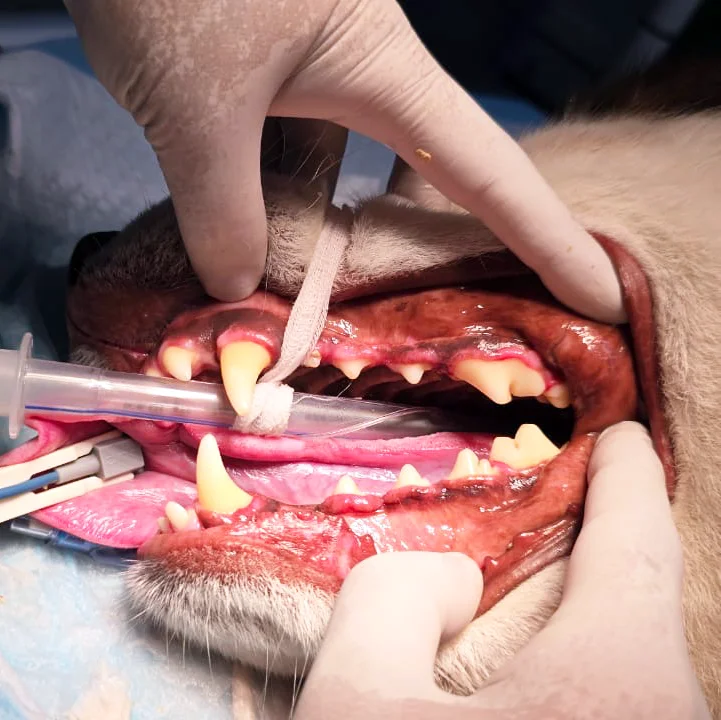
Every dental visit begins with a full examination of your pet’s mouth, including teeth, gums, tongue, palate, and jaw. We assess for plaque, tartar, gingivitis, fractured teeth, oral masses, and malocclusion the foundation of effective pet dental cleaning.
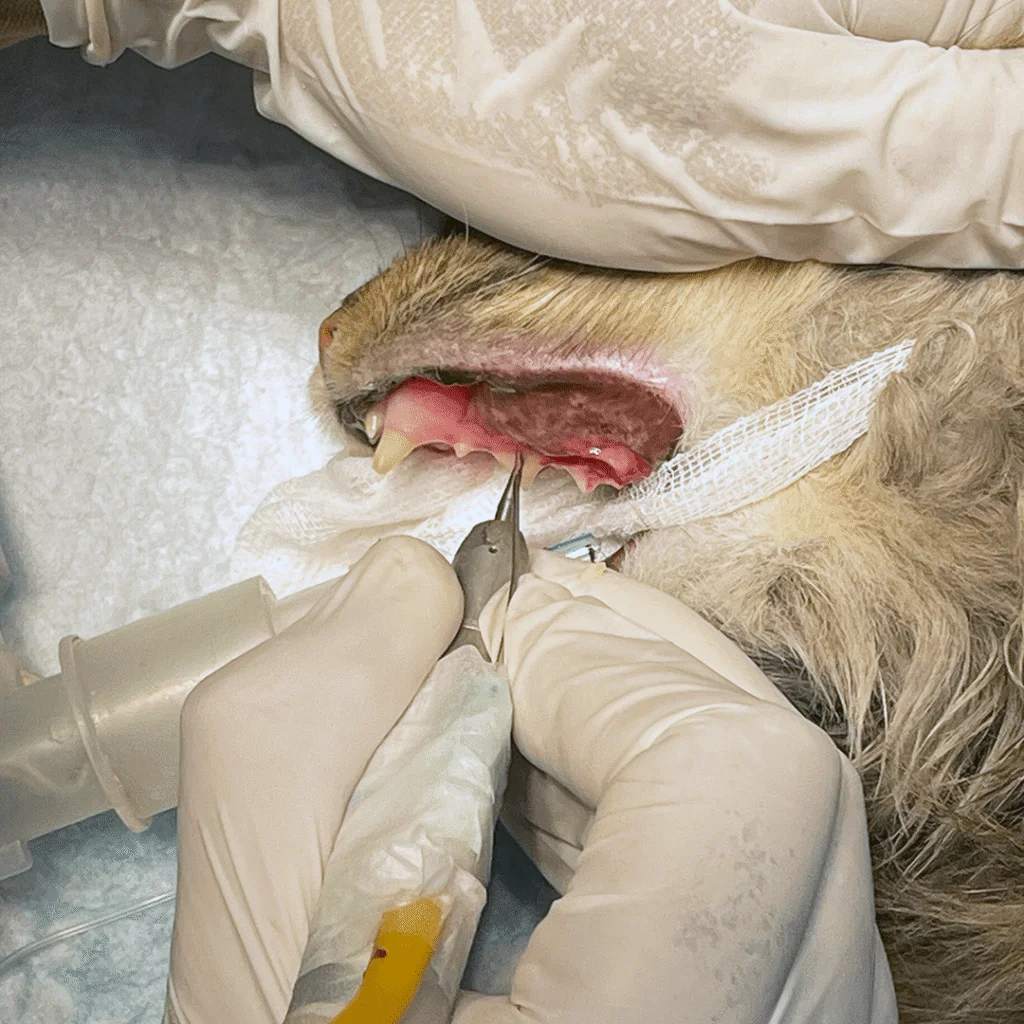
Using ultrasonic scaling equipment, we remove plaque and tartar from all tooth surfaces, including below the gum line where disease often starts. Every cleaning is followed by polishing to smooth enamel and slow future build-up.
Approximately 60% of dental disease exists below the gum line and is invisible to the naked eye. Our in-clinic dental radiography reveals root abscesses, bone loss, and impacted teeth that a visual exam alone would miss the same standard used by leading veterinary dental specialists worldwide. This service is available at all three Zia Vet Clinic branches, including our pet dental x-ray in Karachi location.
When a tooth is beyond saving, our surgeons perform safe extractions under general anaesthesia with full monitoring. We also handle complex oral surgeries including jaw fracture repair and tumour removal.
We equip every pet parent with a practical home care plan, including brushing techniques, recommended dental diets, and safe chew options.
Signs Your Pet May Need Dental Care
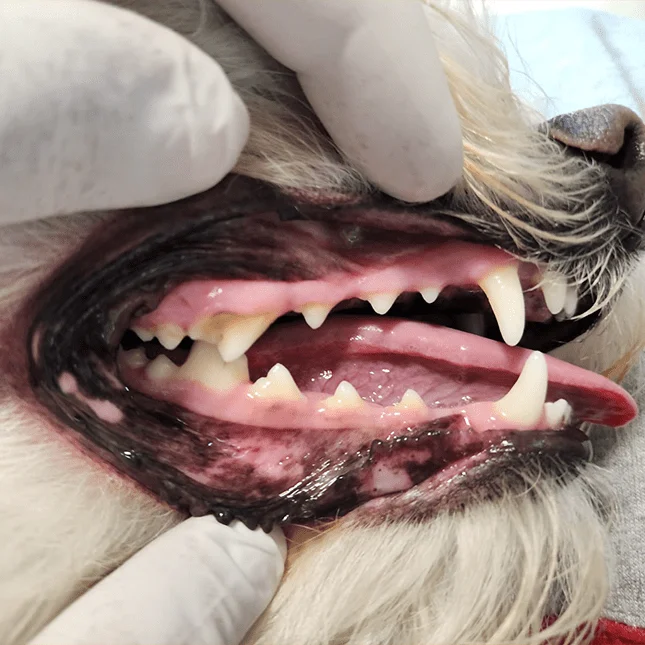
Persistent bad breath is one of the earliest signs. Other indicators include red or swollen gums, difficulty eating or chewing on one side, excessive drooling, pawing at the mouth, loose or discoloured teeth, and bleeding from the gums. If you notice any of these, schedule a dental evaluation promptly.
Safe Anaesthesia and Monitoring
All dental procedures requiring anaesthesia follow strict safety protocols. We perform pre-anaesthetic blood screening, use modern anaesthetic agents, and continuously monitor vital signs. A dedicated nurse oversees recovery until your pet is fully alert and comfortable.
Book a Dental Appointment
Proactive pet dental health care saves teeth, prevents systemic illness, and keeps your pet comfortable. Contact any of our three branches to schedule a dental evaluation.


Frequently Asked Questions
Most pets benefit from professional cleaning once a year, though some breeds prone to dental disease may need more frequent attention. Your vet will advise based on individual oral health.
Yes. We conduct thorough pre-anaesthetic assessments and use modern monitoring equipment. The risk of untreated dental disease far outweighs the carefully managed risk of anaesthesia.
Absolutely. Regular brushing with pet-safe toothpaste is one of the best things you can do between cleanings. Our team will demonstrate proper technique during your visit.
Common signs include bad breath, red or bleeding gums, difficulty eating, pawing at the mouth, or visible tartar on the teeth.